Expired Domains pour le SEO : guide complet 2026
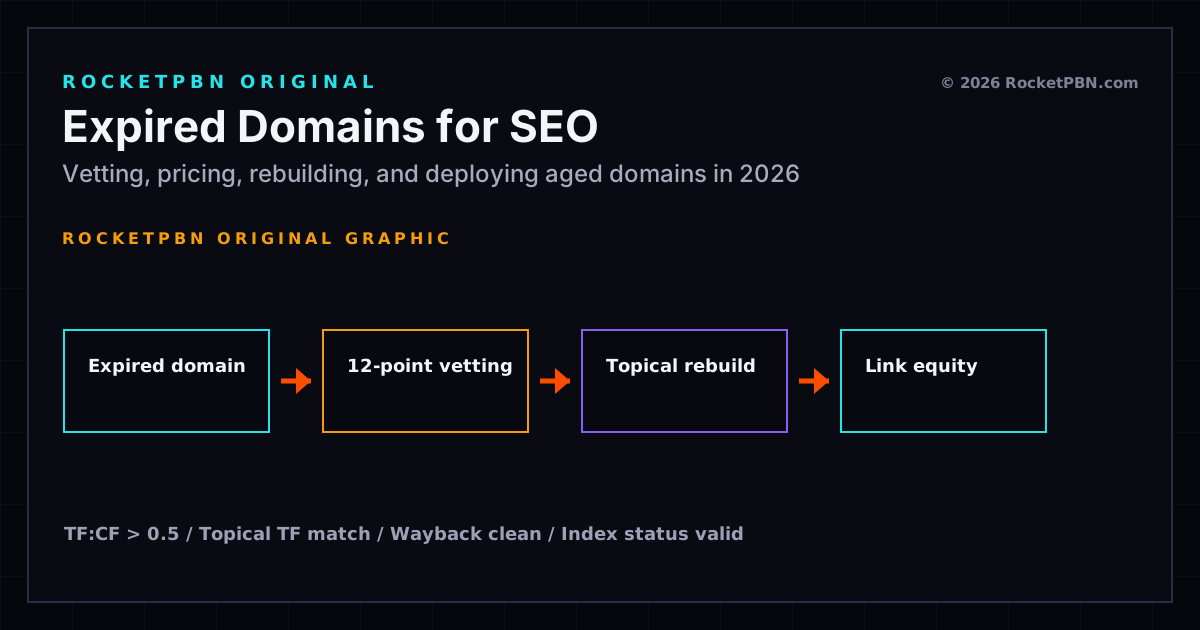
Expired Domains pour le SEO : guide complet 2026
Les expired domains fonctionnent encore en SEO, mais seulement lorsque l'ancienne autorité, l'ancien sujet, la qualité des backlinks et le nouveau cas d'usage sont alignés. Acheter un domaine DR 45, publier cinq contenus minces et pointer des anchors exacts vers une money page n'est plus un modèle sérieux. Cela laisse trop de failles : continuité faible, Topical Trust Flow mal aligné, timing d'anchors artificiel et aucune raison crédible pour que le site reconstruit existe.
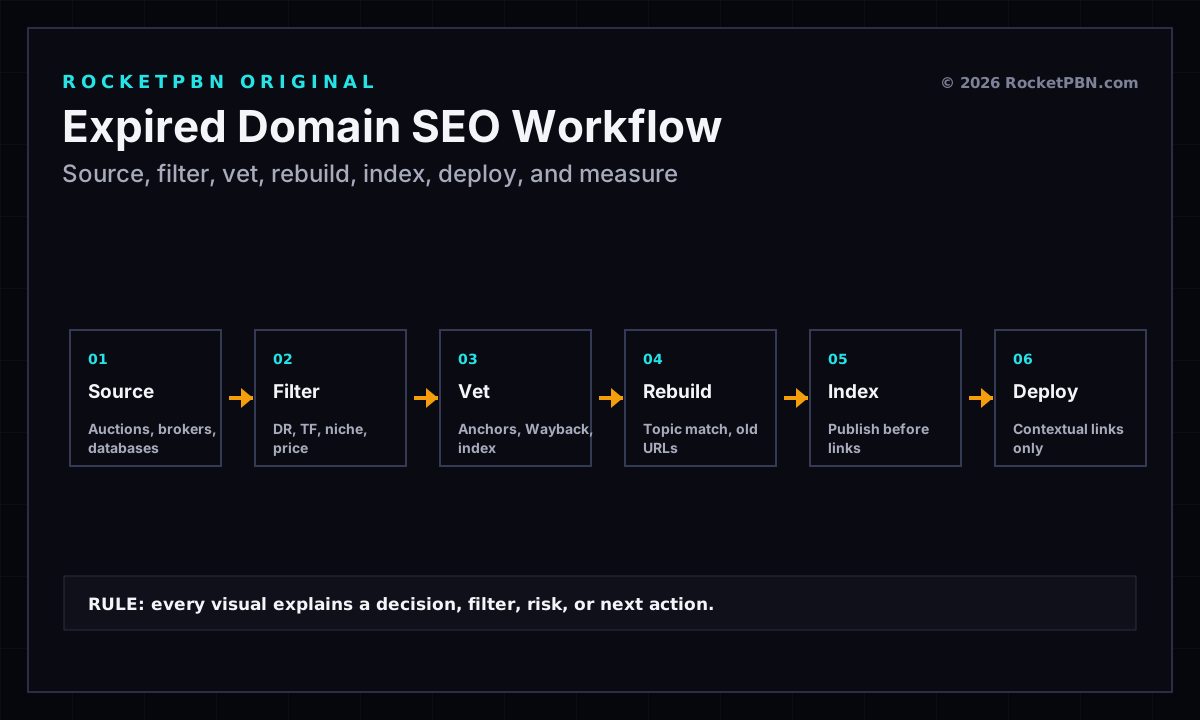
La version utile du expired domain SEO est plus disciplinée. Vous achetez des domaines avec historique de liens propre, vous les reconstruisez dans le même axe thématique, vous vérifiez Trust Flow et Topical Trust Flow, vous gardez des patterns naturels d'hébergement et de publication, puis vous utilisez l'asset pour support PBN, tests 301, acquisition de marque ou accélération d'autorité.
Que sont les expired domains et pourquoi les opérateurs SEO les achètent-ils ?
Les expired domains sont des domaines enregistrés auparavant, non renouvelés, puis redevenus disponibles. Les opérateurs SEO les achètent parce que certains conservent backlinks, signaux d'autorité, historique thématique et confiance de marque.
Définition pratique
Un expired domain n'est pas seulement un nom disponible. C'est un domaine avec une vie antérieure : backlinks éditoriaux, contenu indexé, mentions de marque, anchor history, referring domains et associations thématiques dans Majestic, Ahrefs ou Moz.
Pourquoi préférer aged assets ?
Un domaine neuf part sans autorité. Un aged expired domain peut réduire le délai parce qu'une partie de l'infrastructure d'autorité existe déjà. Pour un opérateur PBN, il devient plus vite une source de lien utile ; pour un affiliate operator, il soutient une money site avec contextual links.
Cas d'usage
| Cas | Ce qui se passe | Meilleur fit | Risque |
|---|---|---|---|
| PBN rebuild | Site niche réel puis liens | Contrôle d'anchors | Rebuild mince |
| 301 redirect | Redirection vers site/page lié | Match thématique exact | Relevance transfer faible |
| Brand acquisition | Relaunch comme asset autonome | Niche builders | Surpayer métriques faibles |
| Tiered support | Renforcer owned assets | Network builders | Mauvais tier mapping |
Comment Google traite-t-il les expired domains en 2026 ?
Google ne réinitialise pas chaque signal, mais évalue si le nouvel usage crée de la valeur ou exploite surtout l'ancienne réputation. Un ancien football publisher relancé en site d'analyse sportive a une histoire cohérente. Un ancien site scolaire transformé en hub review-site bonus a une histoire faible.
Ce qui transmet encore de la valeur
- Les anciens backlinks sont live et réels.
- L'ancien sujet correspond au nouveau.
- Le site reconstruit a assez de profondeur.
- Les liens sortants apparaissent après indexation et stabilité.
Ce qui est décoté
Longs gaps de parking, niche flips sans rapport, anchors en langues étrangères, link spikes, doorway pages et relaunch mince affaiblissent la valeur. restricted-niche, finance, santé et legal exigent des filtres plus stricts.
Quels types de domaines comprendre avant d'acheter ?
| Type | Prix typique | Qualité | Meilleur acheteur |
|---|---|---|---|
| Dropped registration | $10-$80 | Basse à mixte | Testers |
| Closeout | $20-$250 | Mixte | Budget operators |
| Auction | $200-$3,000+ | Mixte à élevée | Équipes rapides |
| Private aged domain | $500-$10,000+ | Forte variance | Opérateurs sérieux |
| Brokered pre-vetted | $300-$3,000+ | Floor plus élevé | Acheteurs pressés |
Un expired domain n'est pas forcément dropped. Un aged domain n'est pas forcément expired. L'âge n'a de valeur SEO que s'il inclut activité réelle, backlinks réels et sujet clair.
Où acheter des expired domains ?
Auctions et closeouts
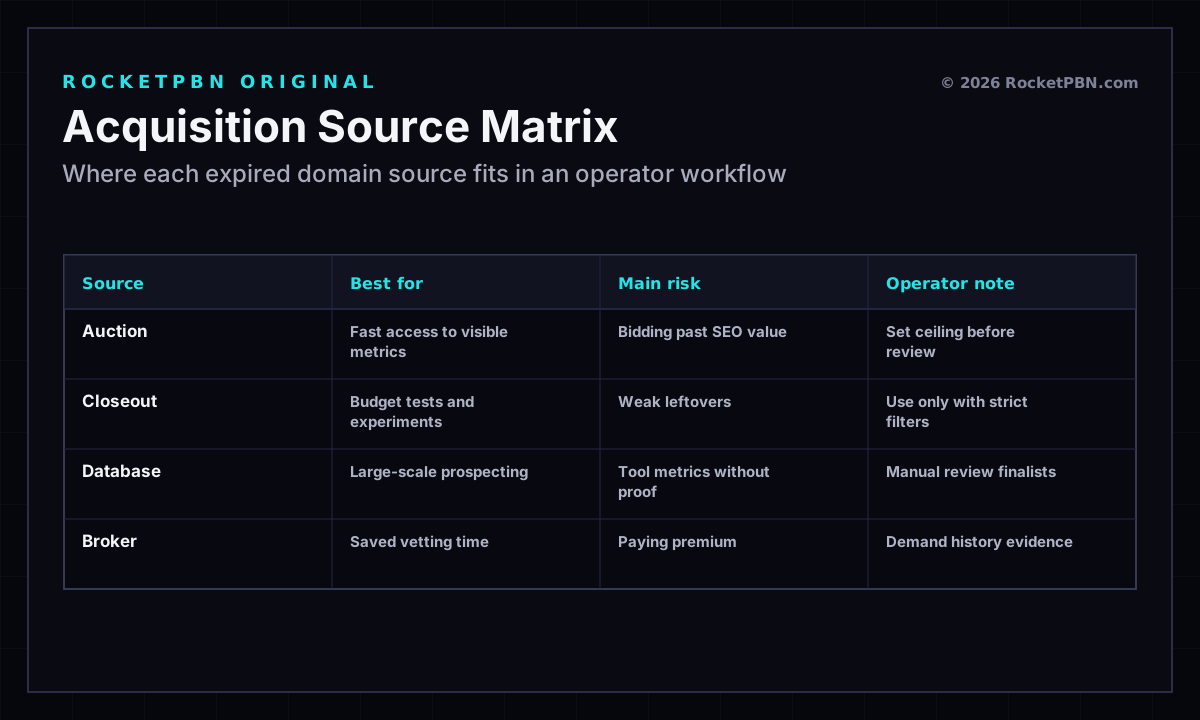
GoDaddy Auctions, NameJet, Sedo, Dynadot et DropCatch exposent des domaines pendant l'expiration ou la capture. Ils sont utiles si vous pouvez auditer vite, mais tout le marché voit les mêmes DR, TF et keywords.
Databases et outils
SpamZilla, ExpiredDomains.net, DomCop, Ahrefs, Majestic et Semrush servent à réduire le volume. Une liste de 5 000 domaines doit devenir 100 candidats, puis 15 reviews sérieuses, puis 1 à 3 achats.
Brokers
Un bon broker rejette le mauvais inventaire avant vous et fournit DR, TF, CF, Topical Trust Flow, referring domains, Wayback, anchors, prix et niche fit. Le premium est justifié quand le temps vaut plus que le sourcing brut.
Voir les aged domains pre-vetted.
Comment évaluer avant achat ?
| Check | Benchmark | Rejet |
|---|---|---|
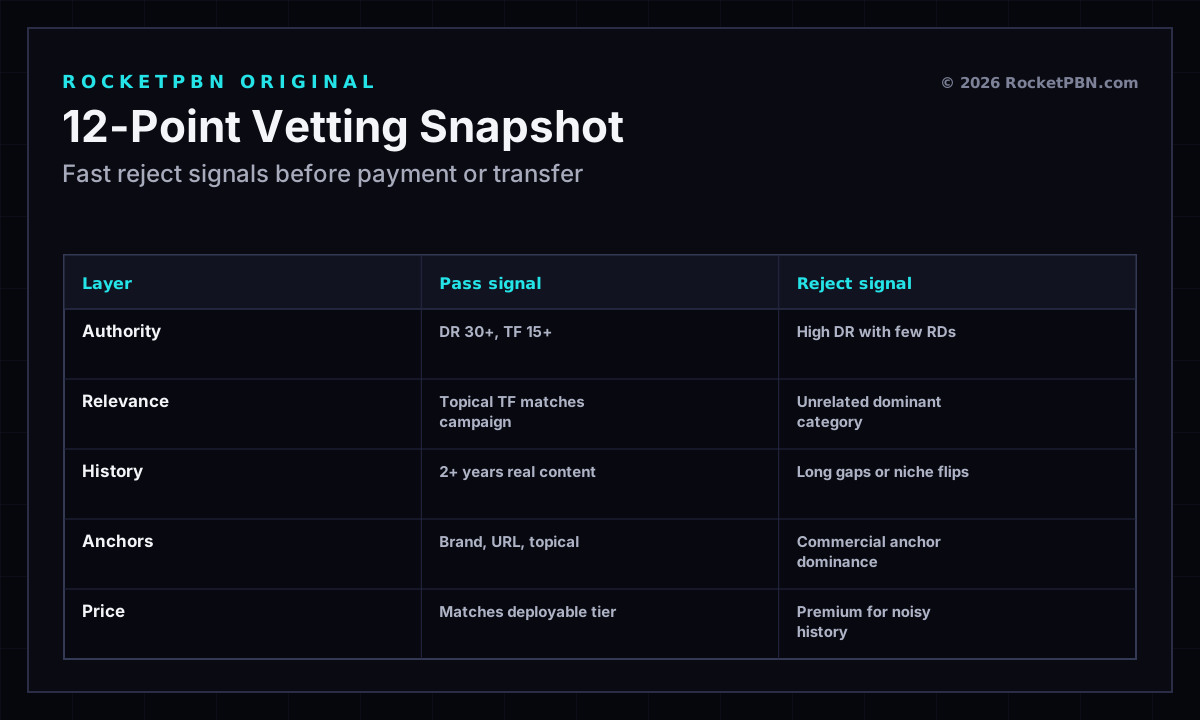
| DR | 30+ tier 2, 40+ tier 1 | DR haut, RD très bas |
| Referring domains | 15+ RD propres | Dépendance à un lien |
| Trust Flow | 15+ minimum | TF sous 10 |
| TF:CF | 0.5+ préféré | Sous 0.3 |
| Topical Trust Flow | Match campagne | Catégorie dominante hors sujet |
| Anchor text | Brand, URL, naturel | Anchors commerciaux dominants |
| Wayback | 2+ ans de contenu réel | Gaps, niche flips |
| Index status | Traces ou blanc explicable | Pattern de deindex |
| Langue | Match marché | Désalignement fort |
| Outbound links | Pattern éditorial | Liens vers spam |
| Link trend | Stable ou decay naturel | Spike artificiel |
| Prix | Fit qualité | Premium sur historique bruité |
Topical Trust Flow décide souvent la valeur, car il indique de quoi parlait la confiance. Lisez aussi Métriques de Domain Authority expliquées.
Quel prix payer ?
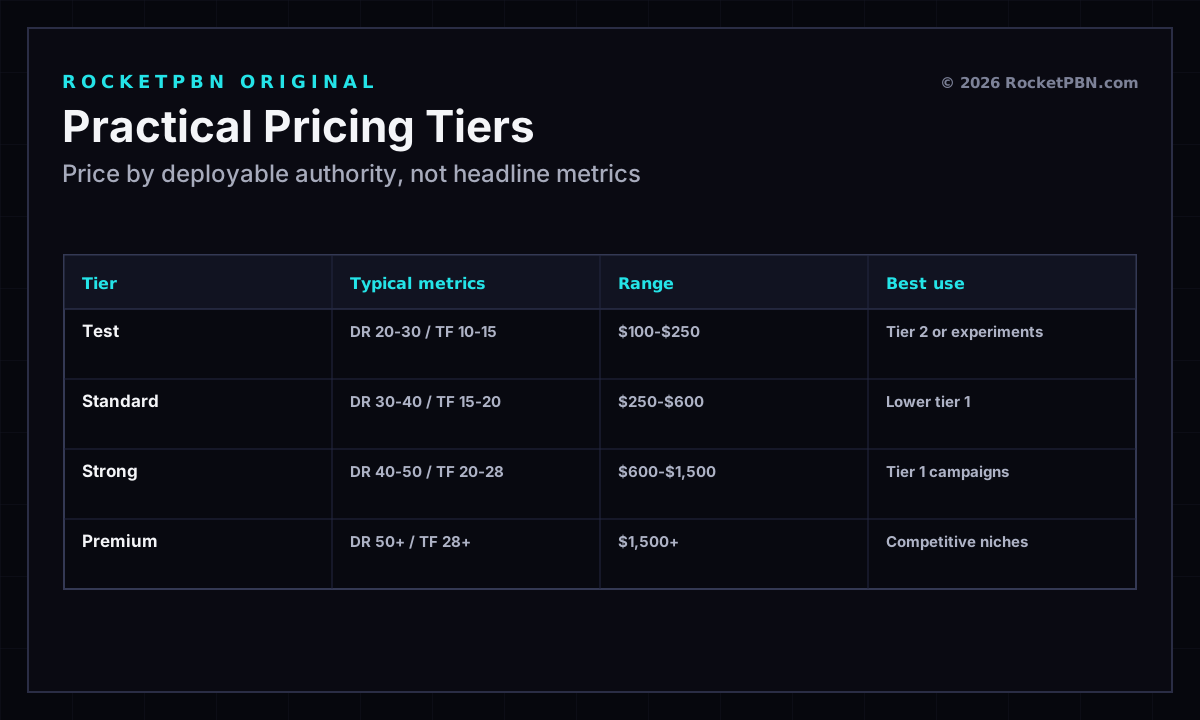
| Tier | Métriques | Prix pratique | Usage |
|---|---|---|---|
| Test asset | DR 20-30, TF 10-15 | $100-$250 | Tier 2, tests |
| Standard PBN | DR 30-40, TF 15-20 | $250-$600 | Tier 1 léger |
| Strong PBN | DR 40-50, TF 20-28 | $600-$1,500 | Campagnes tier 1 |
| Premium niche asset | DR 50+, TF 28+ | $1,500-$5,000+ | Niches compétitives |
| Rare topical authority | DR 60+, historique propre | $5,000+ | Brand ou grosse campagne |
Le prix monte avec niche history exacte, Topical Trust Flow dominant, liens éditoriaux, anchors propres et link trend stable. Il baisse avec downtime long, historique mixte, TF:CF faible, backlinks concentrés et anchor pollution.
Comment déployer après achat ?
Reconstruisez selon le sujet ancien. Un domaine sports devient site d'analyse sportive. Un domaine poker devient contenu poker strategy, review-site math ou game education. Publiez 10-15 articles avant le premier money link, avec homepage, catégories, about, contact, privacy et internal links.
Attendez 4-6 semaines d'indexation avant un lien tier 1. Placez les liens dans des articles pertinents, jamais footer, sidebar ou sitewide.
| Use case | Déploiement | Link posture |
|---|---|---|
| Tier 1 PBN | Rebuild topical complet | Contextual links après indexation |
| Tier 2 PBN | Rebuild plus léger | Links vers tier 1 assets |
| 301 redirect | Mapping URL très proche | Seulement continuité forte |
| Standalone site | Roadmap contenu complet | Monétiser après stabilisation |
Stratégie restricted-niche
Les meilleurs expired domains restricted-niche viennent de regulated-market, sports, poker, racing, esports et sujets adjacents regulated. La generic authority est plus faible car review-site et sports publisher demandent pertinence thématique, anchors contrôlés et referring domains de confiance.

| Métrique | Minimum | Préféré |
|---|---|---|
| DR | 35+ | 45+ |
| TF | 20+ | 25+ |
| TF:CF | 0.5+ | 0.6+ |
| Referring domains | 20+ | 40+ |
| Topical Trust Flow | Sports, regulated-market, Games, News | Catégorie dominante |
| Historique | 3+ ans pertinents | Continuité niche |
Sports domains sont souvent de meilleurs achats : le pont vers sports publisher est naturel et le marché auction peut être moins gonflé que pour les noms review-site évidents.
Risques à éviter
Évitez spam anchors, historique de deindex, TF:CF faible, Topical Trust Flow hors sujet, gaps Wayback longs, link spikes, outbound links excessifs, langue mal alignée et risque trademark.
RocketPBN vend et transfère uniquement des domaines. L'acheteur est responsable de l'usage légal, licences, contenu, hosting et déploiement.
Workflow complet de due diligence avant paiement
La due diligence d'un expired domain doit être séquentielle. Si vous commencez par le prix ou par le DR, vous vous exposez à rationaliser un mauvais achat. Commencez par les preuves qui peuvent annuler l'achat, puis seulement ensuite calculez la valeur.
- Identité du domaine : vérifier TLD, âge, drops, historique registrar et éventuels conflits trademark.
- Échelle d'autorité : lire DR, DA, referring domains et top pages pour savoir si le domaine mérite du temps.
- Confiance : lire Trust Flow, Citation Flow, TF:CF et qualité des domaines référents.
- Pertinence : valider Topical Trust Flow, ancien contenu Wayback et anchors.
- Reconstructibilité : identifier les anciennes URLs qui recevaient les meilleurs liens.
- Index et traces Google : chercher pages indexées, snippets, cache ou absence totale de visibilité.
- Plan de déploiement : décider tier 1, tier 2, redirect, standalone site ou rejet.
- Prix maximum : fixer un plafond selon le rôle, pas selon l'enthousiasme.
| Gate | Pass | Fail |
|---|---|---|
| Backlinks | Sources éditoriales réelles, peu de sitewide | Directories faibles, spam networks |
| Anchors | Branded, URL, topical naturel | Payday, pharma, adult, review-site hors sujet |
| Historique | Même sujet, contenu continu | Parking long, niche flips, doorway pages |
| Topical fit | Sujet ancien proche du money site | Catégorie dominante hors campagne |
| Déploiement | Rôle clair avant achat | "On verra après" |
Un bon achat est facile à expliquer. "Ancien magazine football local, backlinks médias régionaux, pages match reports reconstructibles, Sports Topical TF, déploiement sports publisher education" est une histoire claire. "DR haut, ancien blog random, mais pas cher" n'est pas une stratégie.
Comment calculer la valeur réelle d'un expired domain ?
La valeur d'un expired domain vient de l'equity exploitable, pas du score affiché. Un domaine vaut plus si ses backlinks sont live, si les anciennes URLs peuvent être reconstruites, si le sujet correspond à une campagne active et si le coût de maintenance reste raisonnable.
| Facteur | Augmente la valeur | Diminue la valeur |
|---|---|---|
| Backlinks forts | Liens éditoriaux live vers URLs reconstructibles | Liens morts, sitewide, directories |
| Pertinence | Topical TF et Wayback alignés | Sujet ancien difficile à relier |
| Diversité RD | Plusieurs sources indépendantes | Dépendance à 1-2 liens |
| Anchors | Branded/topical naturel | Commercial exact-match contaminé |
| Déploiement | Rôle tier 1 clair | Usage vague ou spéculatif |
| Coût maintenance | Rebuild simple dans la même niche | Besoin de gros bridge content |
Pour un PBN tier 1, payez surtout pour la combinaison trust + topical fit + reconstructibilité. Pour un tier 2, vous pouvez accepter une autorité plus faible si l'historique est propre. Pour un 301 redirect, la similarité URL et sujet compte plus que le DR brut.
Pourquoi les domaines bon marché coûtent parfois plus cher
Un domaine à $80 peut sembler attractif, mais s'il exige 30 articles de bridge content, deux mois d'attente, tier 2 support et anchors très prudentes, il peut coûter plus cher qu'un domaine à $700 qui se reconstruit naturellement. Le prix d'achat n'est qu'une ligne. Le vrai coût inclut contenu, hosting, temps de revue, risque d'échec et coût d'opportunité.
Différences entre expired domain, aged domain et dropped domain
Les opérateurs utilisent parfois ces termes de manière interchangeable, mais les risques ne sont pas identiques.
| Terme | Sens pratique | Risque principal |
|---|---|---|
| Expired domain | Domaine non renouvelé et disponible ou en cycle d'expiration | Historique à vérifier |
| Aged domain | Domaine ancien, souvent avec historique et backlinks | Prix premium parfois injustifié |
| Dropped domain | Domaine qui a déjà été supprimé puis réenregistré | Perte possible de continuité |
| Auction domain | Domaine vendu avant ou pendant expiration | Prix compétitif |
| Closeout domain | Domaine restant après auction | Qualité très variable |
Un aged domain n'est pas automatiquement meilleur. L'âge sans backlinks propres ne sert pas beaucoup. Un dropped domain n'est pas automatiquement mauvais, mais il faut vérifier si les liens et l'indexation ont survécu. Une auction peut fournir de bons assets, mais le marché voit les mêmes métriques et peut surpayer.
Checklist post-achat pour ne pas gaspiller le domaine
Après paiement, la première erreur est de linker trop vite. Le domaine doit d'abord redevenir un site crédible. Copiez les anciennes URLs importantes depuis Ahrefs ou Majestic, vérifiez leur version Wayback, puis décidez quelles pages reconstruire. Installez un CMS propre, créez une structure de catégories proche du sujet historique et publiez assez de contenu pour que le premier lien sortant paraisse naturel.
| Moment | Action | Pourquoi |
|---|---|---|
| Jour 1-3 | Setup DNS, hosting, CMS, SSL | Stabiliser l'infrastructure |
| Semaine 1 | Recréer top pages et pages statiques | Récupérer contexte et crawl paths |
| Semaine 2-4 | Publier 10-15 contenus topicalement liés | Montrer une vraie continuité éditoriale |
| Semaine 4-6 | Vérifier indexation et logs de crawl | Confirmer que Google revisite le site |
| Après indexation | Placer un premier lien contextuel prudent | Éviter un pattern register-and-link |
Le premier lien doit être branded ou broad topical sauf si le domaine est très aligné et que le money site a déjà un profil équilibré. Si le domaine n'est pas indexé, ne forcez pas un lien sortant. Réglez d'abord le crawl, la qualité du contenu et la reconstructibilité des anciennes pages.
Questions fréquentes
Les expired domains servent-ils encore en 2026 ?
Oui, si backlinks propres, sujet ancien aligné et rebuild réel. Ils sont faibles en thin sites ou redirects hors sujet.
Meilleure métrique ?
Aucune seule. DR, TF, Topical Trust Flow, RD, anchors, Wayback, index et prix doivent être lus ensemble.
Faut-il utiliser 301 redirects ?
Seulement avec forte continuité thématique. Le rebuild donne souvent plus de contrôle.
Combien de domaines pour un PBN ?
Une petite campagne peut commencer avec 5-10 domaines propres. restricted-niche ou finance compétitifs peuvent demander 20-50 assets avec le temps.