Domain Authority 指标解释:DR、DA、TF 和 CF
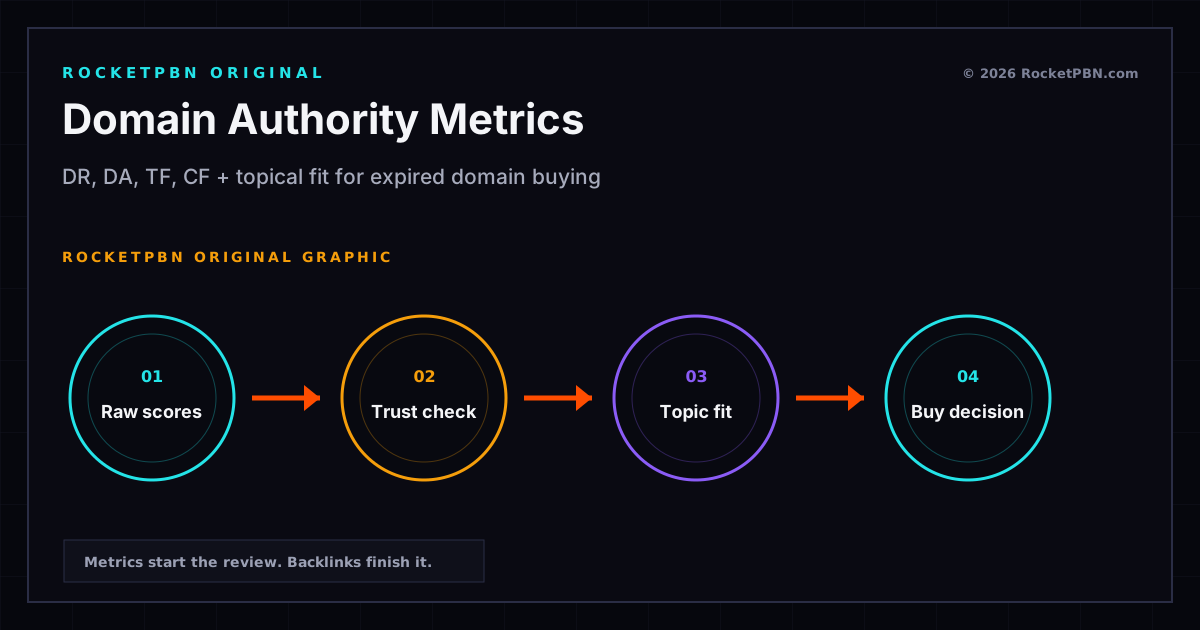
Domain Authority 指标解释:DR、DA、TF 和 CF
Domain authority 指标是 SEO 工具用来快速判断反向链接强度的第三方信号。买 expired domain、比较竞争对手、筛选 link prospect 时,它们很有用,但它们不是 Google 的官方分数,也不能替代人工 backlink review。把它们当成 triage signal,而不是最终购买结论。
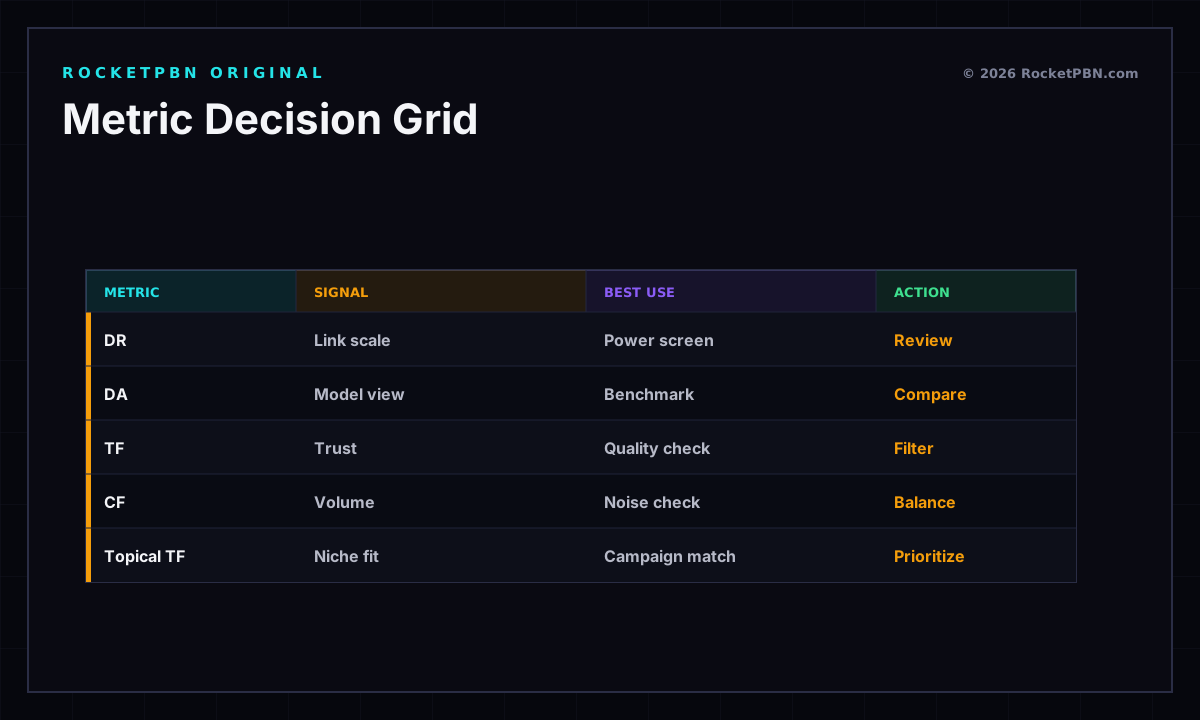
SEO operator 通常会同时看 Ahrefs Domain Rating、Moz Domain Authority、Majestic Trust Flow、Citation Flow、Topical Trust Flow、referring domains、anchor profile、organic traffic 和 spam signals。每个指标回答的问题不同。DR 看 link equity 的规模。DA 看 Moz 模型里的相对竞争力。TF 看 trust quality。CF 看 link volume。Topical Trust Flow 看这些 trust 属于什么主题。
对 RocketPBN 的买家来说,核心规则很简单:不要因为一个数字买 domain。只有当 authority、trust、topical relevance、历史记录和价格都讲同一个故事时,domain 才值得进入购买流程。
Domain authority metrics 是什么,SEO 为什么使用它们?
Domain authority metrics 是 SEO 工具根据 backlink data 生成的专有评分,用来估算一个 domain 或 URL 的强度、信任度或排名潜力。Google 不公开一个可见的 authority score,所以第三方工具用自己的 link graph 构建比较用的 proxy。
这些指标为什么存在?
Google 的真实 scoring system 不可见,而 SEO operator 仍然需要快速比较大量 domain。Ahrefs、Moz 和 Majestic 因此把各自 crawl 到的链接数据转化为可排序的 authority metric。
这对 expired-domain sourcing 尤其重要。一个列表可能有几千个候选 domain,不可能每个都手动打开 Wayback、Ahrefs、Majestic 和 Google。DR、DA、TF、CF 和 RD 先把噪音降下来,再让 operator 对少量候选做深度 review。
它们能说明什么,不能说明什么?
指标可以告诉你一个 domain 是否有 link strength、trust signal、referring-domain volume 或 topical relevance。它们不能证明 domain 已经 index、历史干净、可以安全 rebuild,或价格合理。
| 指标组 | 适合判断 | 不能证明 |
|---|---|---|
| DR / DA | 大致 authority 筛选 | 历史干净 |
| TF / CF | trust 与 link volume 的平衡 | 单独证明主题匹配 |
| Topical TF | niche relevance | 商业价值 |
| Referring domains | link base 规模 | 每条 link 的质量 |
| Spam signals | 风险筛选 | 最终 penalty 状态 |
为什么单一数字很危险?
DR 55 的 domain 如果链接来自 sitewide、无关页面或近期注入,仍然可能很弱。DA 40 的 domain 如果历史干净、topic links 强,反而可能更适合 tier 1。TF 25 的 domain 如果 Wayback 显示硬性 niche flip,也可能失败。
分数只启动 review。真正完成判断的是 backlink profile、历史内容和部署计划。
Ahrefs Domain Rating 如何工作?
Ahrefs Domain Rating 用 0-100 的相对分数衡量一个网站 backlink profile 的强度。它适合做 link power screening,但不能单独当作质量信号。
DR 衡量什么?
Ahrefs 将 DR 描述为 domain backlink-profile strength 的相对指标。强 domain 的链接可以传递更多 value,但这个 value 会被它链接出去的 domain 数量稀释。一个高 DR 页面如果外链到很多 domain,传递的权重可能低于表面预期。
这对 expired domain 很关键。DR 可以看起来很漂亮,但底层 referring domains 可能弱、无关、已经死亡,或外链对象太多导致 value 被摊薄。
如何阅读 DR 分层?
DR 只能作为 first-pass filter,不是购买决定。
| DR 范围 | 常见解读 | expired domain 用法 |
|---|---|---|
| 0-19 | 弱或新 link profile | 通常拒绝,除非有品牌价值 |
| 20-34 | 小型 authority base | tier 2、本地、测试 |
| 35-49 | 可用 authority | TF/历史干净时可做 tier 1 候选 |
| 50-64 | 强 authority | 需要 premium review |
| 65+ | 稀缺且昂贵 | 手动检查每条 top link |
DR red flags
DR 高但 referring domains 很少时要警惕。DR 短期暴涨又回落也需要深查。DR 50 加 12 个真实 RD,不等于 DR 50 加 90 个干净 editorial RD。
读 DR 时要问的问题是:这里是否有足够真实 link equity,值得继续花时间 review?
Moz Domain Authority 和 DR 有什么不同?
Moz Domain Authority 预测一个 domain 在 Moz index 中相对其他 domain 的 ranking potential。DR 更偏 backlink-profile strength,DA 则使用 Moz 的 link data 和 ranking correlation signals 构建 machine-learning model。
DA 衡量什么?
DA 是 0-100 的相对分数,设计目标是预测 ranking potential。具体权重是专有的,所以 DA 应该被理解为 comparative estimate,而不是透明公式。
DA 在同一 niche 内比较 domain 时更有用。一个本地服务站点 DA 35 和一个全国 publisher DA 35 不处于同一竞争环境。用于购买 PBN asset 时,DA 是第二意见,不是最终裁判。
DA vs DR
DA 和 DR 经常不一致,因为 Moz 和 Ahrefs crawl 的 web 范围不同,authority model 也不同。
| 信号 | Ahrefs DR | Moz DA |
|---|---|---|
| 工具 | Ahrefs | Moz |
| 主要用途 | backlink profile strength | ranking potential estimate |
| 分数 | 0-100 相对值 | 0-100 相对值 |
| 最适合 | link equity screening | competitor benchmarking |
| 弱点 | 可能被 link volume 抬高 | 可能因 index 不同而滞后 |
DA 什么时候有用?
当买家想确认 authority 不只出现在一个 index 中时,DA 很有用。DR 高但 DA 很低,应检查 artificial patterns、old redirects、sitewide links 或 Ahrefs 能看到但 Moz 不认可的 backlink。
如果 DR、DA、TF 和 RD 都讲同一个故事,可信度会上升。如果 DA 和 DR 一般,但 TF 与 topical fit 很强,domain 仍然可能有部署价值。
Trust Flow 和 Citation Flow 到底说明什么?
Trust Flow 衡量 backlink quality 与可信来源的接近程度,Citation Flow 衡量 link quantity 或 link influence。TF 与 CF 的差距通常比单个数字更有用,因为它说明 link volume 是否被 trust 支撑。
Trust Flow
Majestic 将 Trust Flow 描述为 0-100 的 link quality 分数。它从 trusted seed set 出发,估算 trust 如何通过 web 链接流动。高 TF 比单纯 link volume 更难获得,所以很多 expired-domain 买家优先看 TF。
PBN buying 中,TF 低于 10 通常偏弱。TF 15+ 可以进入 review。TF 20+ 如果同时有 topical match 和 clean history,值得认真评估。
Citation Flow
Citation Flow 是 Majestic flow metrics 中的 volume side。它估算 URL 或 domain 获得多少 link influence,不判断这些 influence 是否可信。高 CF 低 TF 往往说明 domain 有 link volume 但缺少 quality。
这种 pattern 在被 spam 过的 expired domain 上很常见。第一眼强,trust layer 却支撑不住。
TF:CF 比率
TF:CF ratio 是快速质量检查。
| TF:CF 比率 | 解读 | 动作 |
|---|---|---|
| 0.70+ | trust balance 强 | 检查 topical fit 和历史 |
| 0.50-0.69 | 可用范围 | anchor 干净时可候选 |
| 0.30-0.49 | 噪音较多 | 需要人工 backlink review |
| 低于 0.30 | trust balance 弱 | 通常拒绝 |
用 TF 和 CF 问一个问题:link volume 是否真的被 trust 支撑?
为什么 Topical Trust Flow 经常比 DA 或 DR 更重要?
Topical Trust Flow 对 expired-domain buying 经常更重要,因为它告诉你 domain 被信任的主题是什么。较低 authority 但主题匹配的 domain,可能比高 DR 但历史无关的 domain 更适合部署。
Topical Trust Flow 增加了什么?
Topical Trust Flow 按主题分类 page、subdomain 或 root domain 的 trust。它不只问 domain 强不强,而是问 domain 在什么领域强。
这对 niche campaign 很关键。Sports/Recreation trust 的 sports domain,比 DR 更高但 category 分散的 lifestyle blog 更适合 regulated content。
主题匹配胜过 headline score
在 restricted-niche、regulated-market、sports、poker、finance 和 affiliate campaigns 中,topical alignment 能降低 rebuild friction。旧内容、backlinks、anchors 和新内容可以讲同一个故事。
| Domain profile | DR | Topical fit | 更适合用途 |
|---|---|---|---|
| sports news 历史 | 38 | Sports 强 | sports publisher PBN |
| generic lifestyle blog | 52 | 匹配弱 | tier 2 或拒绝 |
| poker strategy archive | 31 | Games 强 | poker affiliate |
| local business archive | 45 | 无关 | 避免 direct money links |
Topical data 什么时候会误导?
如果 domain 有 mixed history、redirects 或多次 niche flip,Topical Trust Flow 可能很噪。必须用 Wayback、anchors、top backlinks 和 indexed traces 验证 dominant topic。
更深入的说明见 Topical Trust Flow 是什么?。
买 expired domain 前应该组合哪些指标?
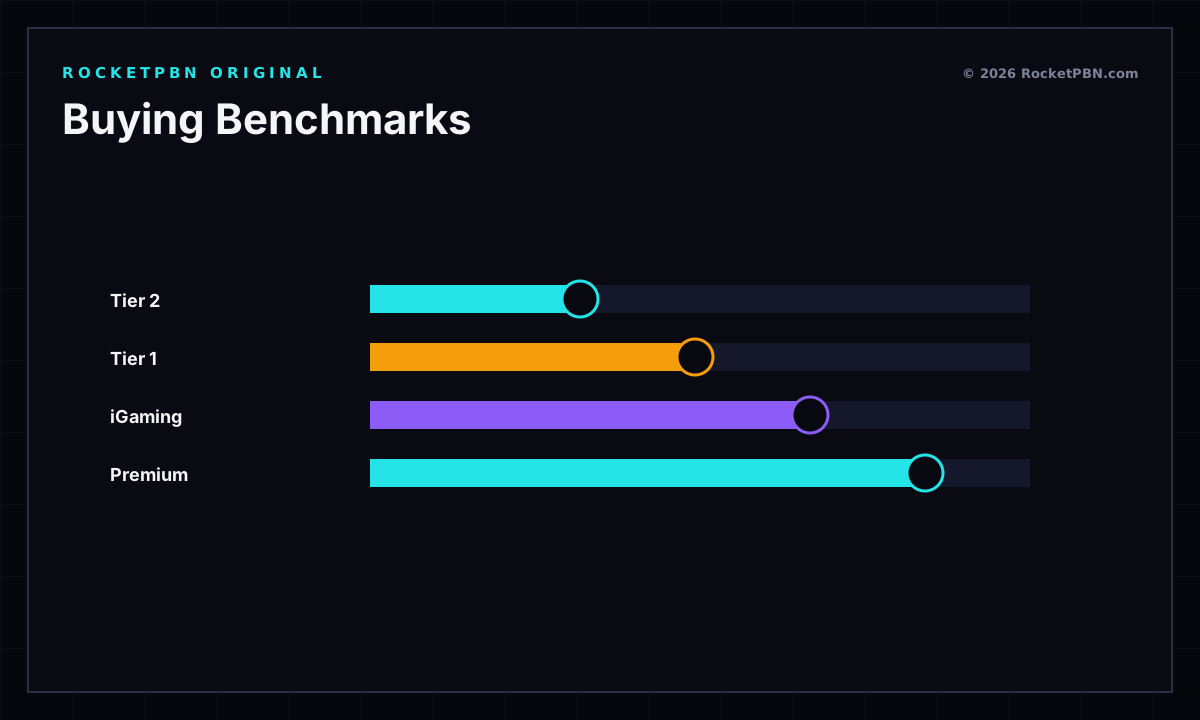
用 DR 看 link equity scale,用 DA 看 model agreement,用 TF 和 TF:CF 看 trust quality,用 Topical Trust Flow 看 niche relevance,用 referring domains 看 link diversity,用 Wayback 看 historical continuity。只有这些信号一致,domain 才算通过。
购买 benchmark
| 用例 | DR | TF | TF:CF | Referring domains | Topical fit |
|---|---|---|---|---|---|
| Tier 2 support | 20+ | 10+ | 0.35+ | 10+ | 可接受相邻主题 |
| Tier 1 PBN | 35+ | 15+ | 0.50+ | 20+ | 最好匹配 |
| restricted-niche tier 1 | 40+ | 20+ | 0.55+ | 25+ | regulated-market/Sports/Games |
| Premium asset | 50+ | 25+ | 0.60+ | 40+ | dominant match |
这些是起点,不是保证。低于 benchmark 的 domain 如果 link 异常干净仍可能可用;高于 benchmark 的 domain 如果历史脏也会失败。
手动 review 顺序
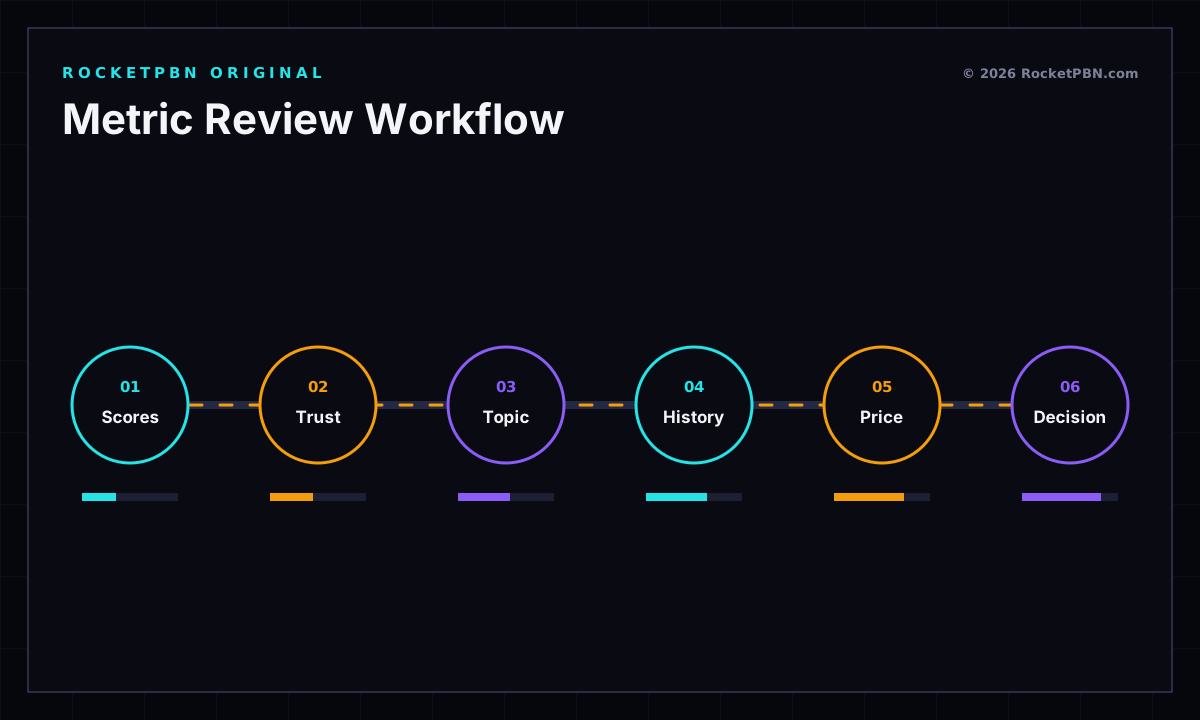
- 检查 DR、DA、TF、CF、referring domains 和 topical category。
- 打开 top 20-50 referring domains。
- 检查 anchor text 是否有 commercial 或 foreign-language pollution。
- 用 Wayback 看至少两年相关内容。
- 在 Google 搜索 domain 的 indexed traces。
- 将价格与可部署用例对齐。
什么样的 domain 才值得买?
可买 domain 有一致证据:authority scores 合理,trust 不明显低于 volume,topical category 匹配 campaign,历史解释得通 backlinks,anchors 自然,价格符合 intended tier。
完整购买流程见 Expired Domains for SEO。
哪些 metric pattern 应该让你拒绝 domain?
当指标严重分裂、trust 远低于 link volume、topical categories 与历史不匹配、anchor 有 commercial pollution,或 authority 来自可疑 link spike 时,应拒绝 domain。Metric contradiction 往往暴露真实风险。
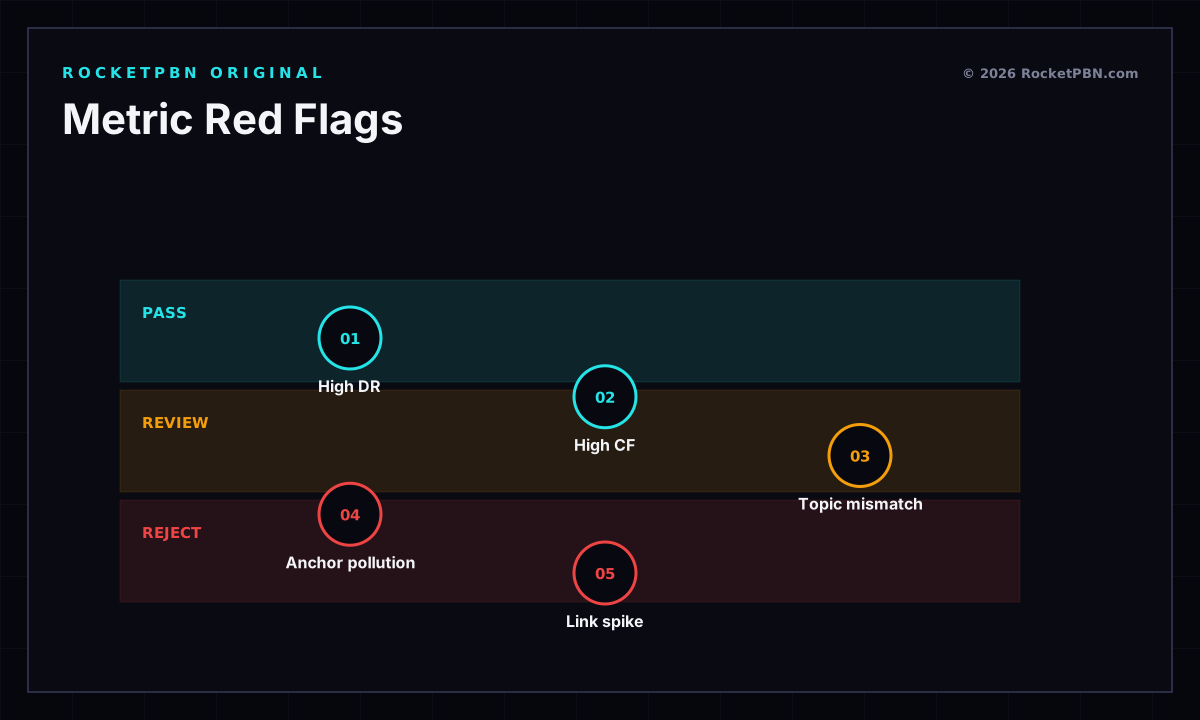
常见 red flags
| Pattern | 可能问题 | 动作 |
|---|---|---|
| 高 DR,低 RD count | inflated links | review top backlinks |
| 高 CF,低 TF | volume without trust | 通常拒绝 |
| DA 强,traffic 弱 | model mismatch | 检查 index status |
| Topical mismatch | niche flip | tier 1 拒绝 |
| Commercial anchors | previous manipulation | 拒绝或大幅折价 |
| Sudden link spike | artificial campaign | 等待或拒绝 |
什么时候折价而不是拒绝?
不是每个弱点都会杀死 domain。DA 弱但 TF 强、历史干净、topical trust 匹配,仍可能可用。DR 低但 niche links 真实,可以做 tier 2。弱点影响价格但不影响 deployability 时折价;弱点影响 trust 或 topical continuity 时拒绝。
指标应该如何影响 PBN 部署?
指标应该决定 rebuilt domain 的使用强度。Topical trust 强且历史干净的 domain 可以支持 tier 1 contextual links。信号混合的 domain 应该更慢 rebuild、先用 branded anchors、做 tier 2,或直接拒绝。
Deployment matrix
| Metric pattern | Rebuild plan | Anchor posture | 用途 |
|---|---|---|---|
| 高 TF,强 topical fit | 同主题 rebuild | branded + partial | tier 1 |
| 高 DR,中等 TF | 较宽但相关 rebuild | branded first | 谨慎 tier 1 |
| 低 TF:CF | 只做内容或丢弃 | 不用 money anchors | reject/review |
| 弱 topic match | bridge content | brand/URL only | tier 2 |
| 干净但小 | lightweight rebuild | branded | support site |
为什么 rebuild context 重要?
Expired-domain metrics 是旧网站赚来的。如果 rebuild 忽略这个 context,link graph 就难以解释。Sports history 应该重建成 sports 或 regulated-adjacent property。Finance history 不应直接变成 review-site review site,除非有可信 bridge。
部署后要跟踪 indexing、crawl frequency、impressions、money-page movement 和 link profile changes。如果 rebuilt domain 不 index 或 trust signals 消失,暂停 outbound linking。
Domain metrics 与 GEO 和 AI Search 有什么关系?
Domain metrics 间接支持 GEO,因为它们帮助选择 link graph 更强、trust 更干净、topical authority 更明确的来源。AI answer engines 仍然需要可 crawl、结构清晰、有事实密度的内容;metric 本身不会自动创造 citation。
Authority 支持 retrieval,结构赢得 citation
强 domain 可以帮助页面被 crawl 和信任,但页面仍需要可抽取答案。使用 question headings、简洁定义、tables、schema 和 source notes,让 AI systems 能理解并引用。
应该跟踪什么?
跟踪 inclusion rate、citation rate、top-of-answer visibility、branded search lift 和 direct traffic spikes。如果页面有 links 却从不出现在 AI answers,先改善 chunk structure、schema、definitions 和 factual density,再购买更多 links。
常见问题
Domain Authority 是 Google ranking factor 吗?
不是。Domain Authority 是 Moz 指标,不是 Google ranking factor。Google 有自己的 ranking systems 和 link analysis systems。DA 可以作为比较工具,但不要把它当成 Google 直接读取或奖励的信号。
DR 比 DA 更好吗?
DR 更适合在 Ahrefs 中读 backlink-profile strength。DA 更适合获取 Moz 的 ranking-potential estimate。没有哪个指标永远更好。应同时使用 DR、DA、TF、CF、topical fit、referring domains、traffic、anchors 和 history。
什么 Trust Flow 算好?
购买 expired domain 时,TF 15+ 对很多 tier 1 candidate 是有用的 minimum,TF 20+ 更强。TF 低于 10 通常偏弱,除非 domain 有极强 topical relevance 或 brand value。始终把 TF 与 CF 一起看。
应该目标什么 TF:CF ratio?
TF:CF 高于 0.50 是很多 expired-domain purchase 的实用 minimum。高于 0.70 更强。低于 0.30 通常意味着 link volume 没有被 trust 支撑,应拒绝或深度人工 review。
Domain metrics 可以被操纵吗?
可以。任何第三方 metric 都可能被工具看到的 links 影响。所以 operator 在购买前必须检查 backlink sources、anchor text、Wayback history、index status、traffic 和 topical fit。最好的保护是 cross-tool agreement 加 manual review。
相关阅读
- Expired Domains for SEO
- Topical Trust Flow 是什么?
- SpamZilla Complete Guide
- How to Build a PBN
- 浏览已预审 aged domains
来源说明
本文基于 Ahrefs 关于 Domain Rating、Moz 关于 Domain Authority、Majestic 关于 Trust Flow、Citation Flow 和 Topical Trust Flow 的官方说明,以及 Google Search Central 对 ranking systems 和 link analysis 的公开描述。工具文档定义指标,RocketPBN 的 threshold 是面向 expired domain campaign 的 operator-side buying rules。